

What is the Cost to Repair a Sidewalk in NYC?
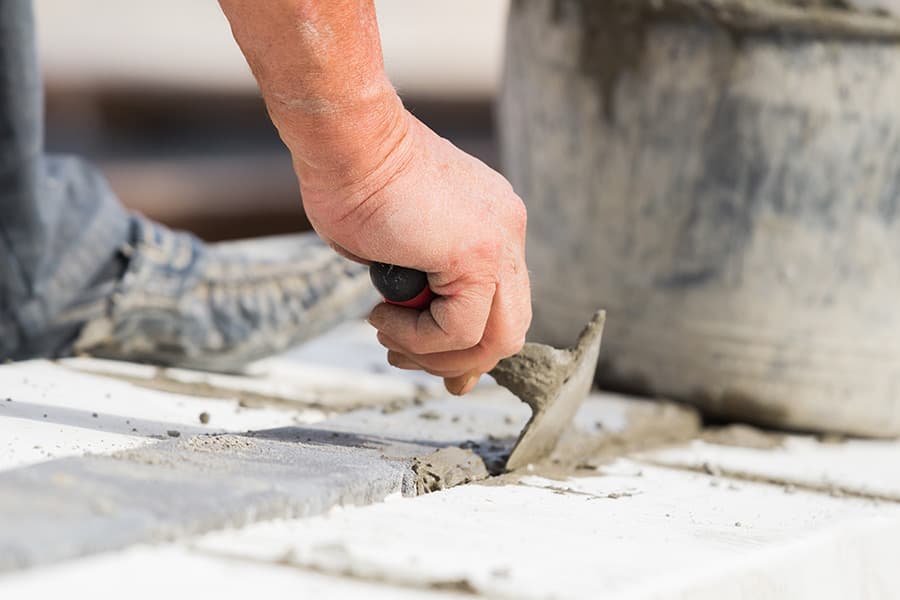
If you own property in New York City, sidewalk repair is more than just a fix‑up job. Sidewalks are part of your responsibility, since they’re public-facing, and if they’re damaged, you could get a DOT violation, or worse, someone could trip and get hurt. That means repair work needs to be done carefully, legally, and correctly with the help of licensed and certified contractors. But how much does it really cost? That depends on a lot of things, from the kind of damage to how big the repair is, and even your address.
Here is what to expect.
Residential Sidewalk Repairs
For many homeowners, a typical sidewalk repair costs somewhere around $15 to $18 per square foot. If you're just repairing a small section (say, about 25 sq ft or just 1 slab), the ballpark figure is often $1,700–$2,500, depending on the damage, permit needs, and how cleanly the work can be done.
Larger or Commercial Jobs
On bigger sidewalks, or if you're doing a commercial property, costs trend higher. You may expect to pay around $18–$25 per square foot for large-scale concrete repair or replacement. When repairs go over 500 sq ft, the total can jump into the $9,000 to $12,500+ range. If your sidewalk is especially high-quality (thicker concrete, decorative finish, special PSI strength), you might even see up to $30 per square foot.
What Drives Sidewalk Repair Costs in NYC
There are a bunch of factors that determine how much you’ll pay to repair a sidewalk. It’s not just “pour concrete and you’re done.” Here are the biggest cost drivers.
Severity and Type of Damage
What’s wrong with the sidewalk changes everything. A small crack is going to cost much less than a section that’s sunken or tilted. When slabs have shifted or settled, contractors often use methods like mudjacking or foam injection to lift them, which drives up labor costs. Crumbling or deteriorating concrete, deep cracks, or root damage from nearby trees can make the job more complex and expensive. On average, repairing sunken spots can be $3–$25 per sq ft, while crumbling might be $6–$9, and cracks somewhere in between.
Material Matters
Concrete is the most common and affordable material used for residential and commercial sidewalks. Its cost may vary depending on its PSI (pounds per square inch). The higher the PSI of the concrete, the greater the cost.
For residential sidewalks, 3500-4000 PSI concrete is typically used, which is relatively inexpensive compared to commercial sidewalks. Commercial sidewalks generally require concrete with more than 4000 PSI to ensure better durability and strength.
Note: PSI represents the desired compressive strength of the concrete, which depends on the ratio of water, sand, and gravel in the mix. It indicates how much pressure the concrete can withstand per unit area. Higher PSI means the concrete has greater compressive strength.
Labor and Logistical Challenges
Labor is a major part of the repair bill. Working in NYC is not like working in a suburb, since things like tight spaces, busy streets, and the need to follow DOT specifications all make labor more intensive and costly. Skilled concrete crews are needed, and getting the job done right (including demolition, forming, pouring, and finishing) takes experienced hands.
Extra Work and Add-ons
Repairs often aren’t just about fixing cracks. You might also need to fix things like tree-root damage, make ADA‑compliant curb or ramp changes, or match a special finish. Garbage removal (old concrete), DOT compliance inspections, and disposal all add to the cost. If you decide to go for a decorative finish, like stamped concrete or a textured surface, that can increase your total too.
Permit and Regulation Expenses
Before work even begins, there's the matter of permits. In NYC, you generally need a Sidewalk Construction Permit from DOT for repair work. According to NYC DOT rules, this permit costs $70 for every 300 linear feet of sidewalk. This isn’t negotiable, but it's part of making sure the repair work meets city standards. That fee even includes the final inspection, known as a “dismissal inspection,” proving the job was done right.
If you ignore a sidewalk violation from DOT, you're legally on the hook: the city gives 75 days to make repairs.After 75 days, DOT can send a contractor to fix it, then bill you at an even higher rate with an additional 20% interest. if you don’t pay within 90 days, a lien will be placed on your property.
Location
Location or the region also impacts the costs. In NYC, the overall repair price is different in each borough. The repairs in Manhattan and Brooklyn are more expensive as compared to the Bronx and Queens.
Sidewalk Repair Cost in NYC’s Boroughs
|
Area in Square Feet |
Bronx |
Manhattan |
Brooklyn |
Queens |
|
Up to 25 |
$1700 |
$2550 |
$1950 |
$1700 |
|
50 |
$1900 |
$2200 |
$2200 |
$1900 |
|
100 |
$2400 |
$2600 |
$2600 |
$2400 |
|
150 |
$2900 |
$3400 |
$3400 |
$2900 |
|
300 |
$4090 |
$4690 |
$4690 |
$4090 |
|
400+ Sq. Ft |
$12 per sq ft |
$16 per sq ft |
$15 per sq ft |
$13 per sq ft |
Common Repair Methods & Their Cost Impact
How the repair is done plays a big role in what you’ll pay. Different techniques come with different price tags.
Leveling or Raising (Mudjacking)
When a sidewalk slab is sinking, contractors often use mudjacking, a process of injecting a mix under the slab to push it back up. This method costs more, around $3–$25 per sq f because of labor and the specialized work needed. Depending on how deep the sinking is, this could run in a wide range, but it’s often much more expensive than a simple patch.
Resurfacing/Overlay
If the concrete base is still solid, but the surface is worn or mildly damaged, resurfacing is a smart option. In this case, the contractor applies a thin layer of new concrete or finishing material over the existing slab. It gives your sidewalk a refreshed look without tearing everything out, and prices are more moderate than full replacement, going around $4–$7 per sq ft for a clean, new top layer.
Patching & Crack Repair
For cracks and small damaged areas, patching is common. It might cost $8–$11 per foot / sq ft, depending on how wide and deep they are. It keeps repair costs down and prevents water from seeping into the concrete (which could make things worse later).
For cracks or small damaged spots, repair teams use patching techniques. They’ll fill in cracks (with caulk or mortar), resurface tiny pits, or smooth rough areas. This is usually the most cost-efficient way to address minor deterioration.
Grinding/Smoothing
If there are trip hazards or raised edges, grinding helps smooth them out. This method doesn’t change the structure, but it makes the sidewalk safer and more even. It’s less intensive than replacement and can be very effective. Typical grinding cost goes around $6–$9 per sq ft.
Sealing
Sealing isn’t about structural repair; it’s about protection. After fixing concrete, applying a sealant helps block water, stop salt penetration, and extend the life of your sidewalk. While it’s an added cost, usually around $8–$11 per sq ft, a good seal can pay off by preventing future damage.
Should You Try to Repair It Yourself?
Doing it yourself might sound tempting, but in NYC, it’s not always realistic or allowed. Repairing a sidewalk is a job best left to concrete professionals to make them safe and compliant with city regulations.
If your repair costs more than $200, city rules typically require a contractor with a Home Improvement License.Even for smaller jobs, you may need that sidewalk permit, and you’ll need to follow DOT specs exactly. If you don’t, you risk a failed inspection, a continuing violation, or even more costly repairs later.
Don’t underestimate how technical sidewalk work can be, especially when you factor in city regulations, strength requirements, and the inspection process.
Conclusion
Sidewalk repair in New York City isn’t a simple “pour some concrete and call it done” job, but it’s a careful, regulated process that requires skilled labor, permits, and long-term thinking. Costs vary a lot because of how severe the damage is, what kind of material your sidewalk uses, and whether you need to match specific DOT standards.
But here’s the good news: if you do your homework, get detailed quotes, work with a licensed contractor who understands DOT rules, and don’t skip the permit, you’ll be setting yourself up for a repair that lasts. This is one of those things where spending the right amount now pays off big down the road.